

From 18th to 21st August 2026, a Disability Assessment Team Training activity was held in Nyahururu to strengthen the capacity of professionals involved in disability assessment and support services.
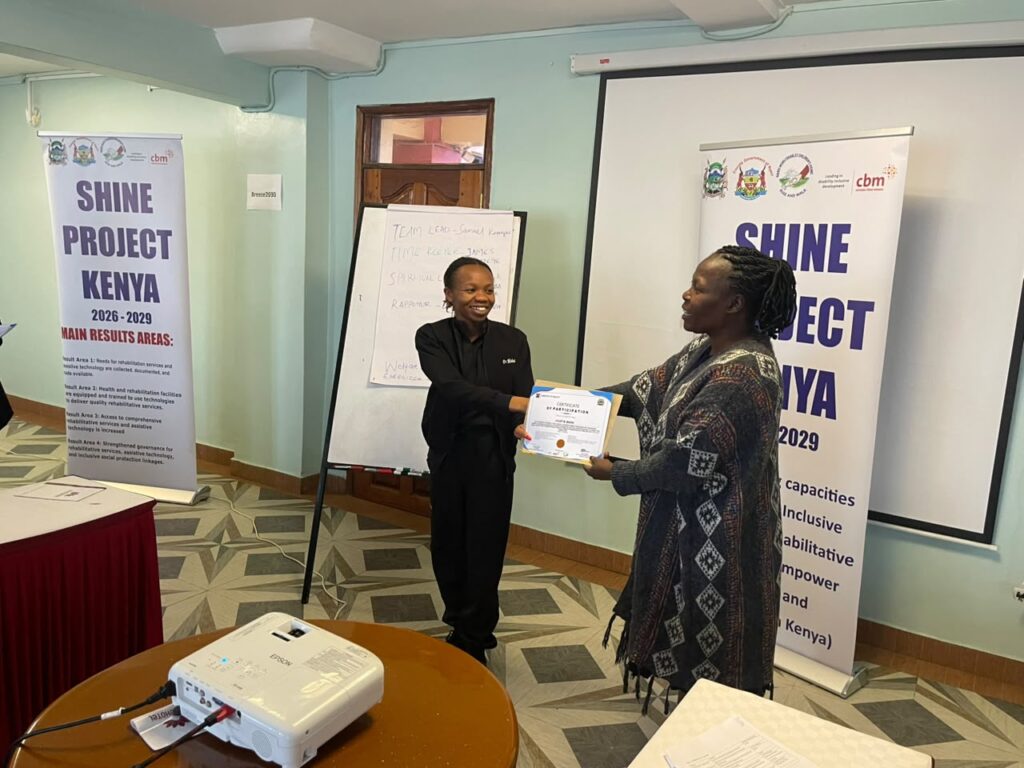
The four-day training brought together members of the disability assessment team for practical learning, knowledge sharing, and skills development. The activity focused on improving the quality, consistency, and effectiveness of disability assessments while promoting a person-centred approach to supporting people with disabilities.
Disability assessment plays an important role in identifying the needs, abilities, and challenges faced by persons with disabilities. Accurate assessments help professionals make informed recommendations and connect individuals and families with appropriate services, assistive devices, rehabilitation, education, social support, and other resources.
During the training, participants explored key aspects of the assessment process, including effective communication, gathering relevant information, understanding individual needs, and documenting assessment findings. The sessions also provided an opportunity for participants to share experiences from the field and discuss practical challenges encountered when supporting persons with disabilities.
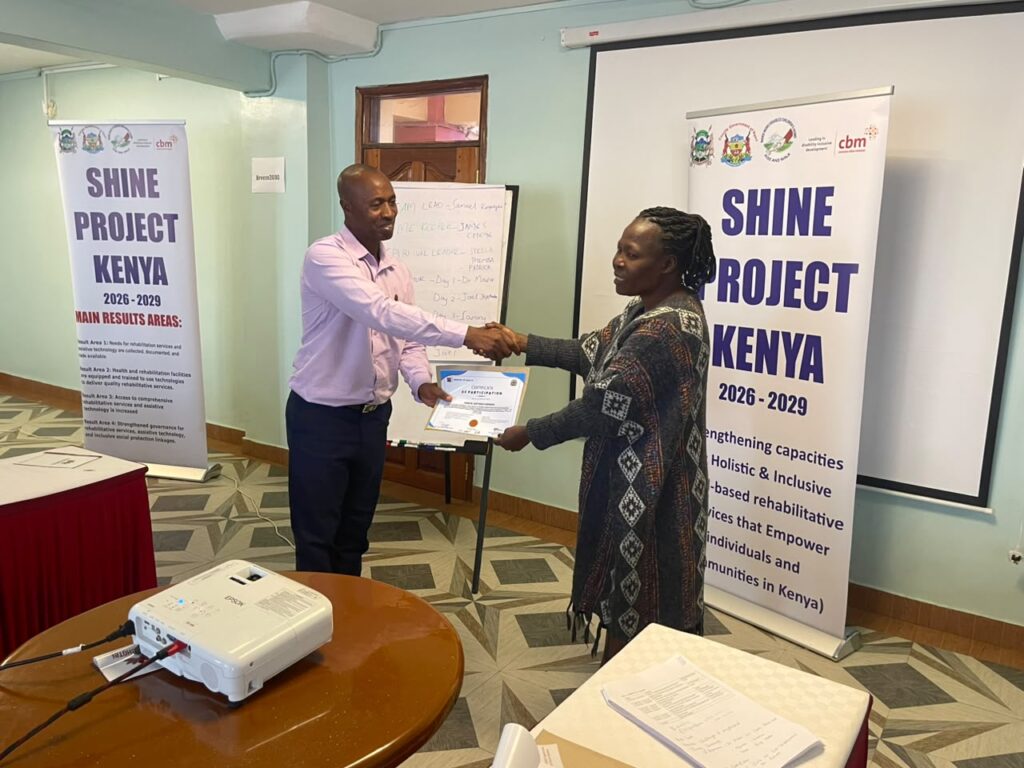
A key focus of the activity was the importance of treating every person with dignity and respect. Disability assessment should go beyond identifying limitations. It should also recognise an individual’s abilities, strengths, aspirations, and potential. This approach helps create more meaningful support plans and promotes greater participation and inclusion within the community.
The training also strengthened collaboration among professionals involved in disability services. Effective disability support requires coordination between different stakeholders, including health professionals, social workers, educators, caregivers, community organisations, and families. Building stronger professional networks helps ensure individuals receive more coordinated and responsive support.
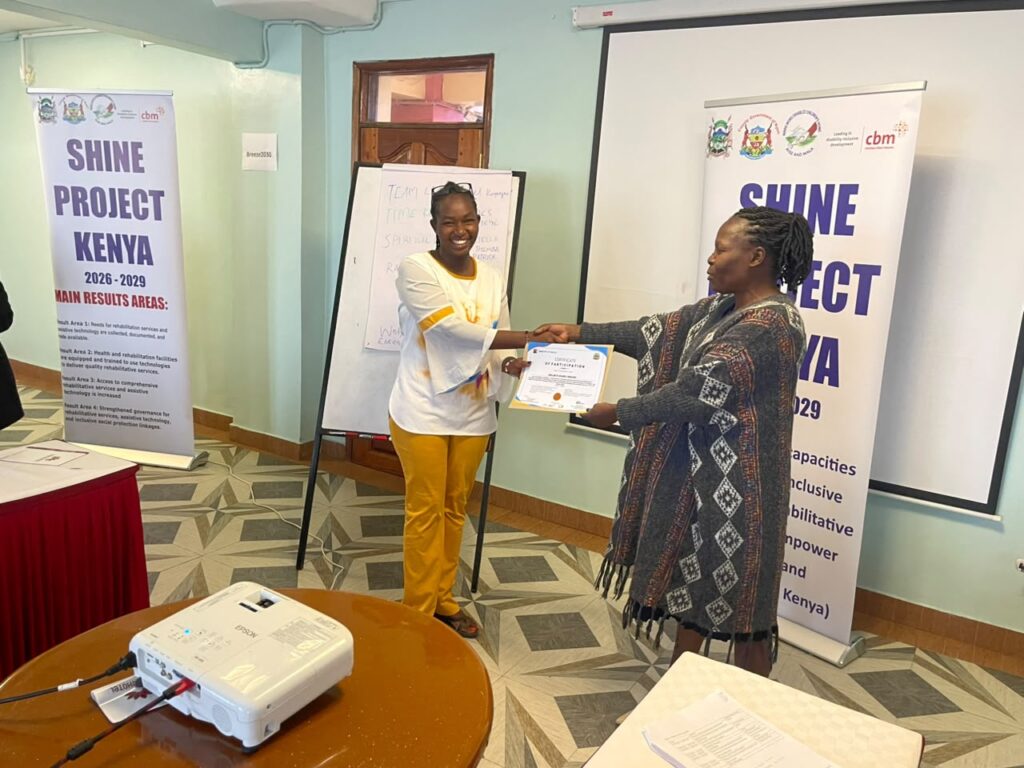
For Naromoru Disabled Children’s Home, activities such as this contribute to a broader commitment to improving the lives of children and persons with disabilities. Building the capacity of assessment teams strengthens the systems through which children and families access the support they need.
The Nyahururu training was therefore more than a professional development activity. It was an investment in better disability services, stronger community support, and a more inclusive society.
As disability services continue to evolve, ongoing training and knowledge sharing remain essential. Empowering professionals with the right skills helps ensure every person with a disability receives appropriate support and has an opportunity to participate fully in society.